
Modernizing an heirloom farming brand
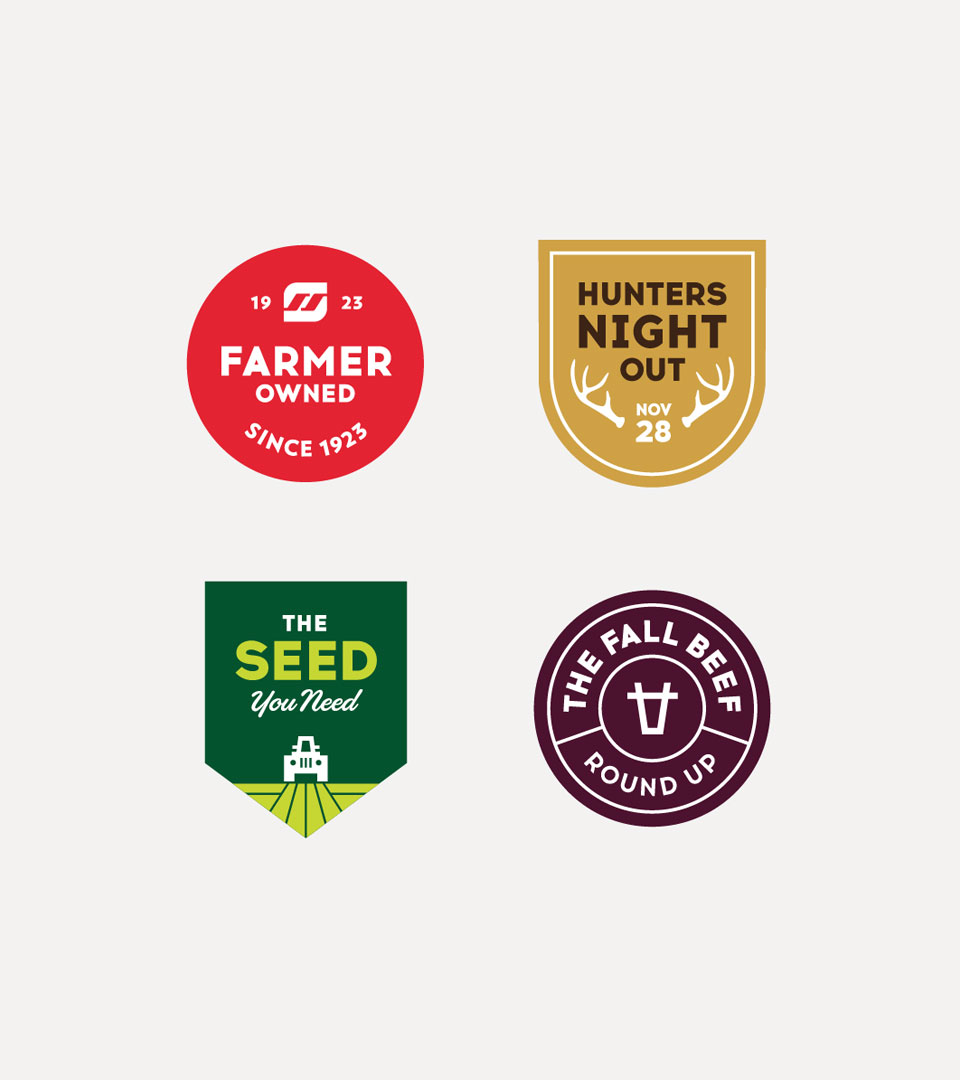
I led the creative direction for a full rebrand grounded in a different point of view: if this brand is actually built on growth, optimism, and forward progress, it should look like it. That meant moving away from expected “heritage” cues and building a system that felt more confident and alive.
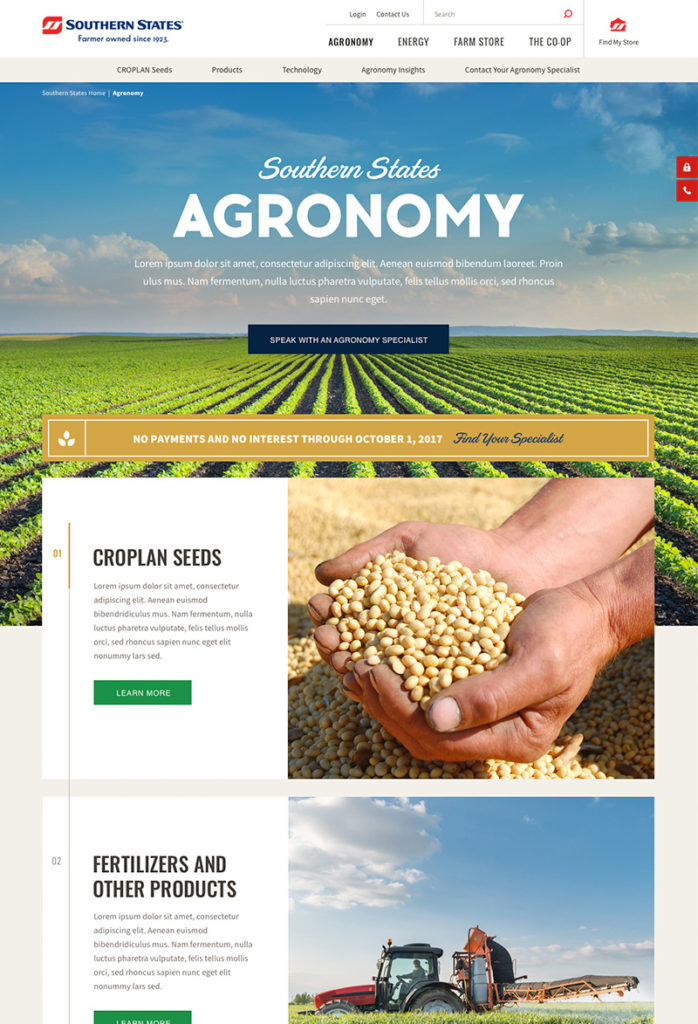
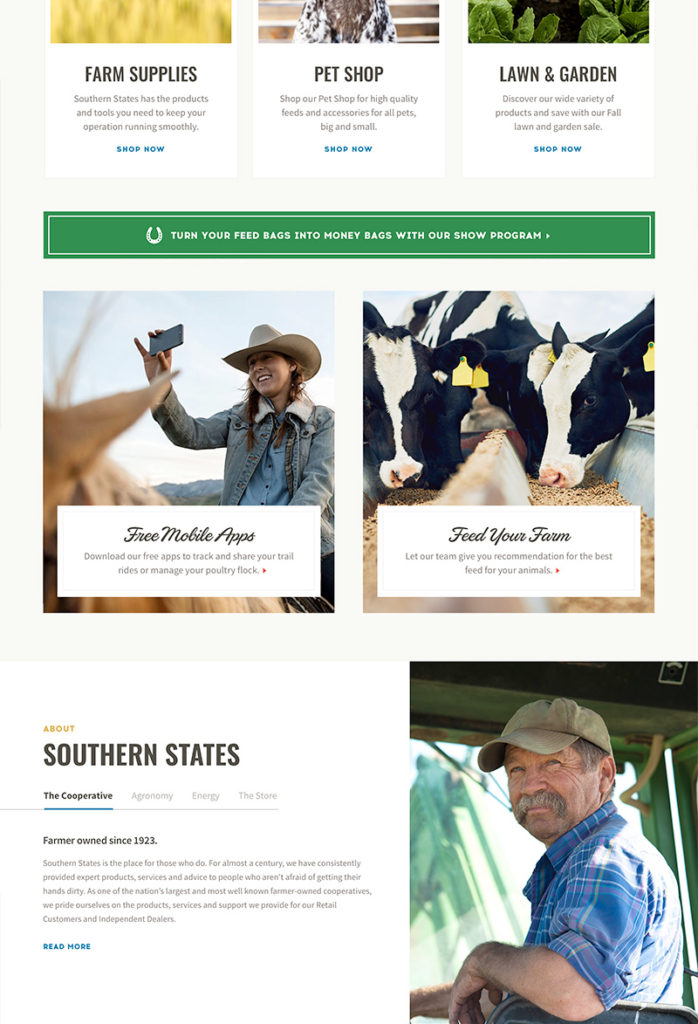
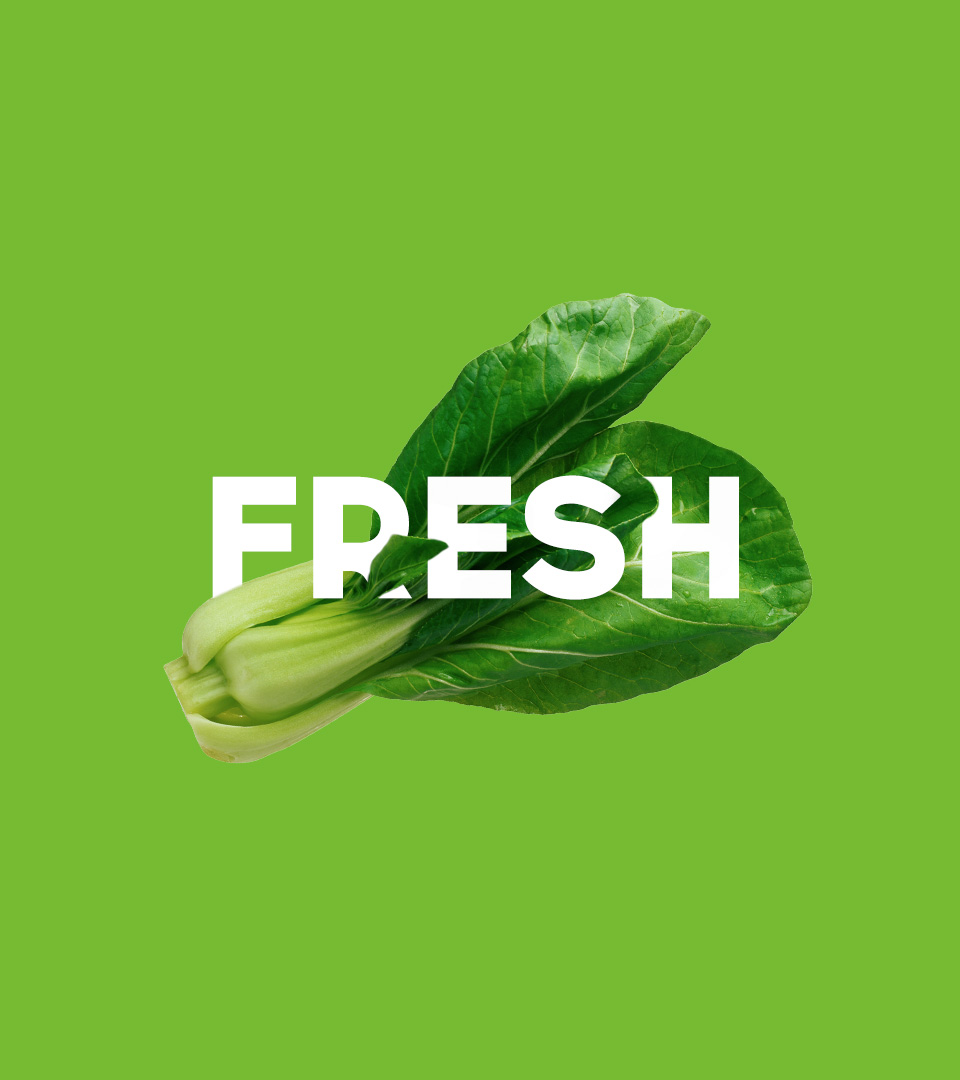
We pushed the color system into something brighter and more intentional. Greens that actually felt fresh, supported by a palette that could flex across different parts of the business without everything collapsing into sameness. Color wasn’t decorative, it became a way to organize information, create contrast, and make the experience easier to navigate whether you were online or in-store.
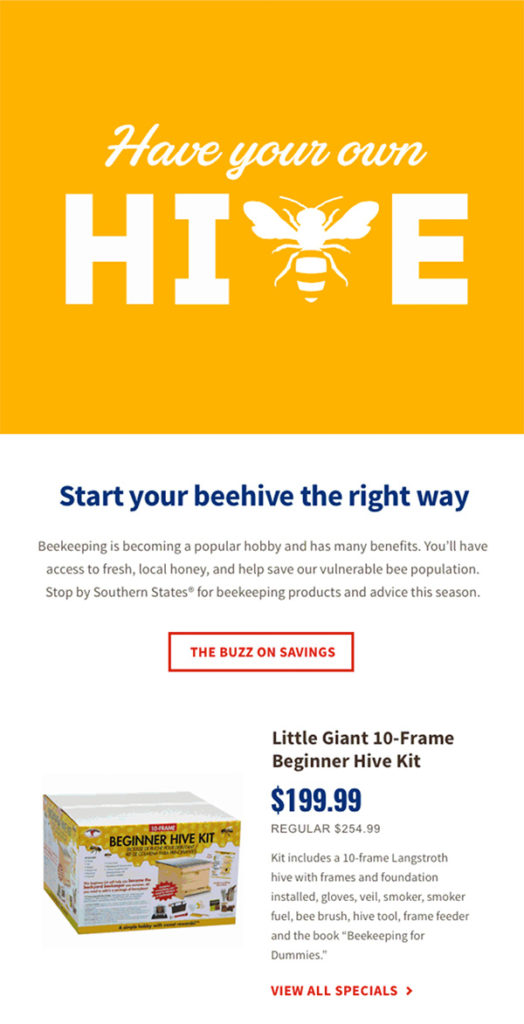
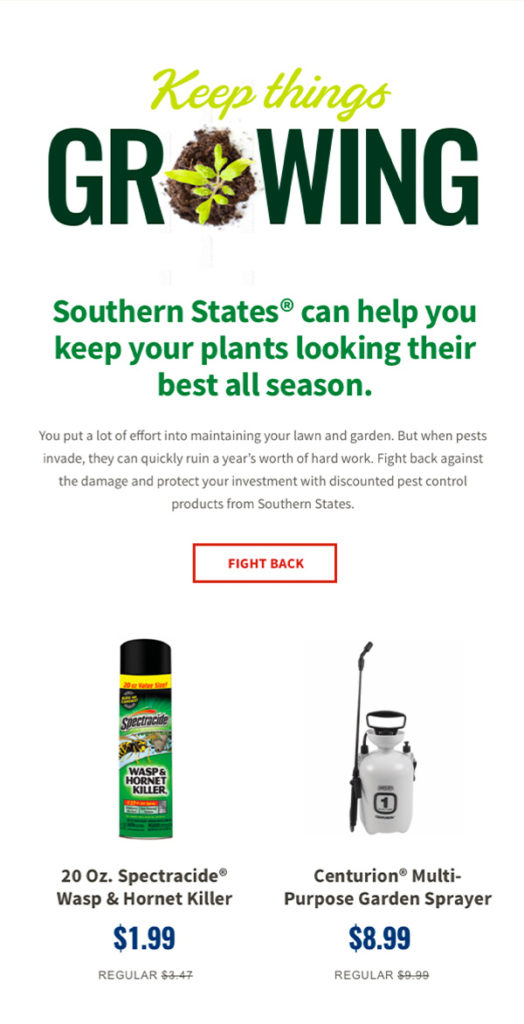
Typography and layout followed the same logic. Larger type, clearer hierarchy, fewer competing elements. You didn’t have to read everything to understand it. You could scan and move.
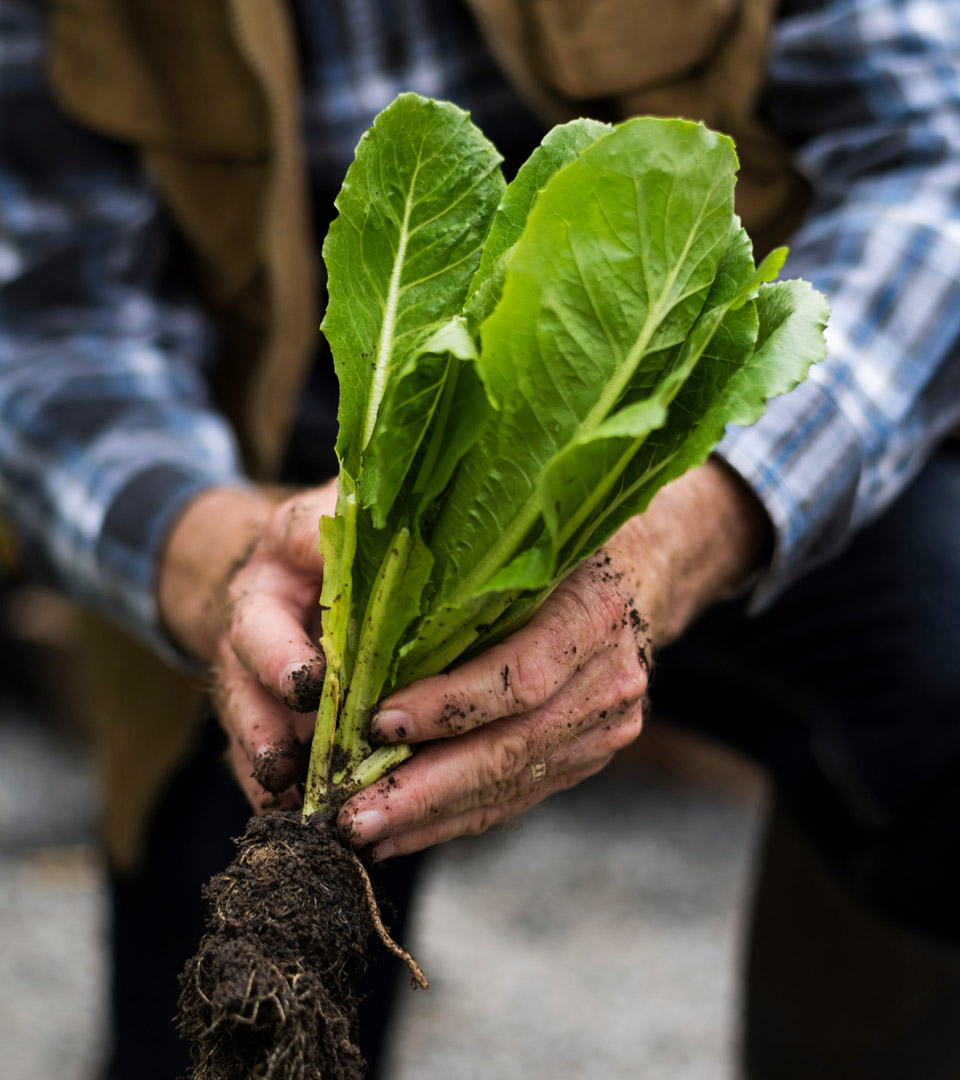
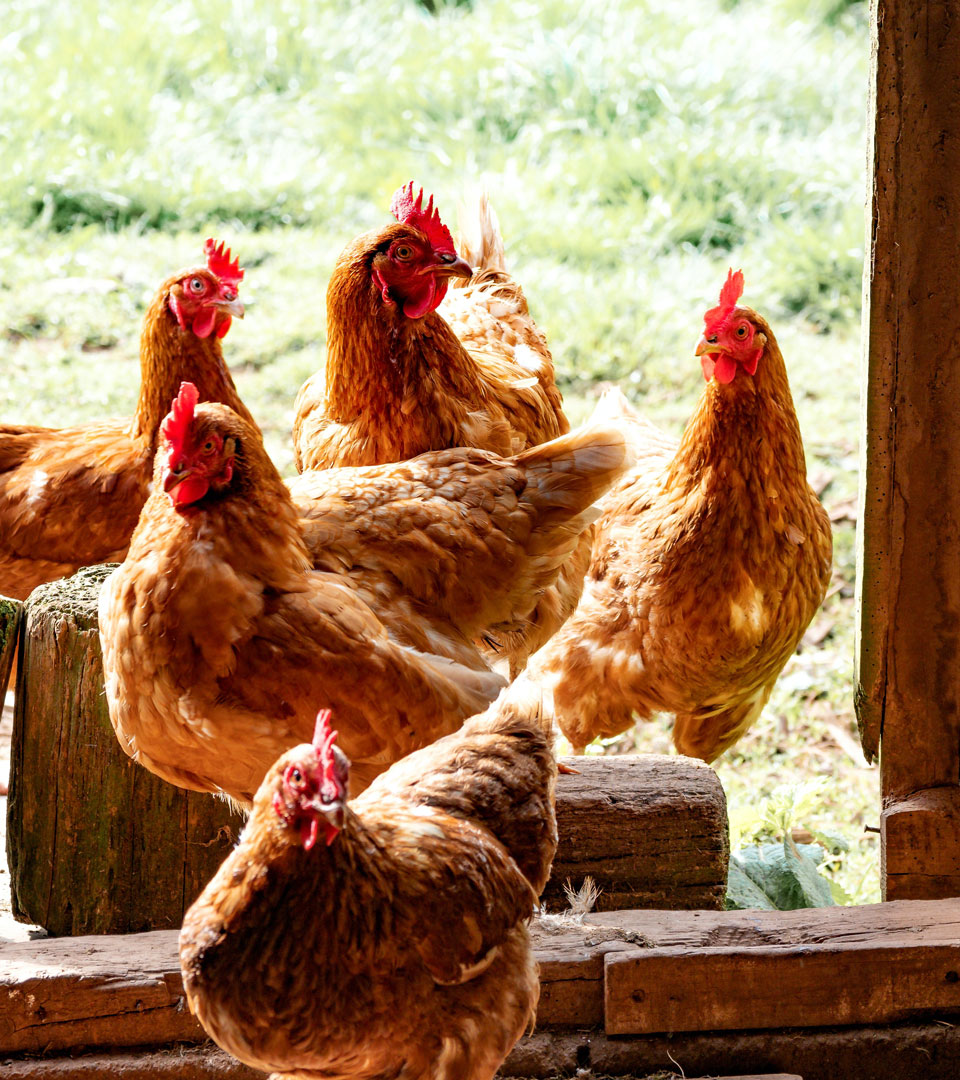
Photography did a lot of the work to ground it. Less staged, more real—crops, land, hands, motion. It wasn’t about selling an idea of farming, it was about reflecting the one their customers actually live in.
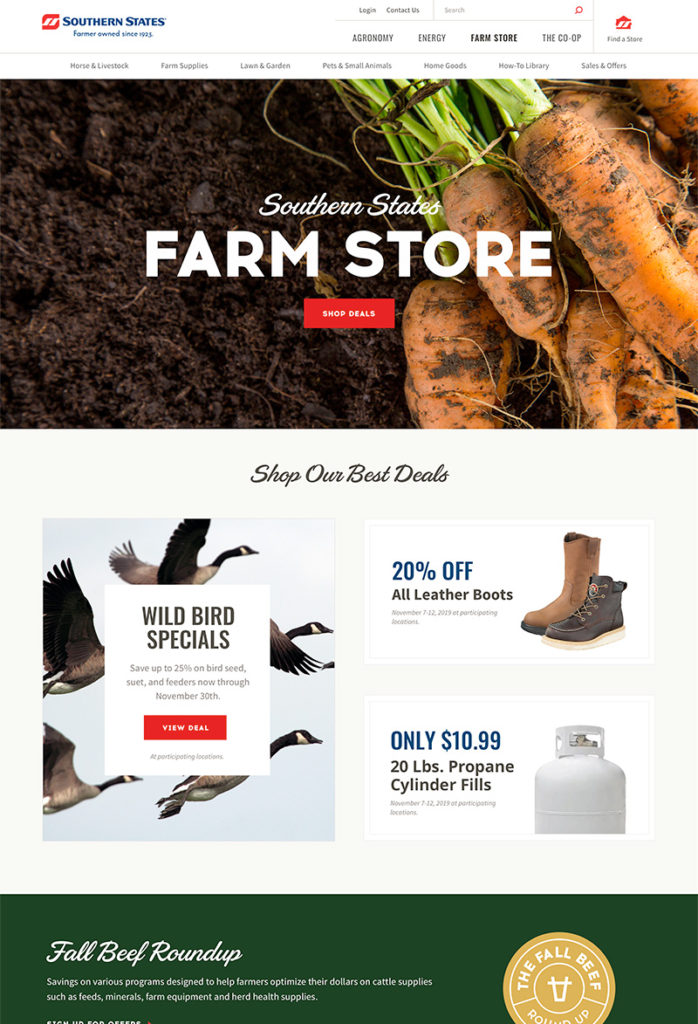
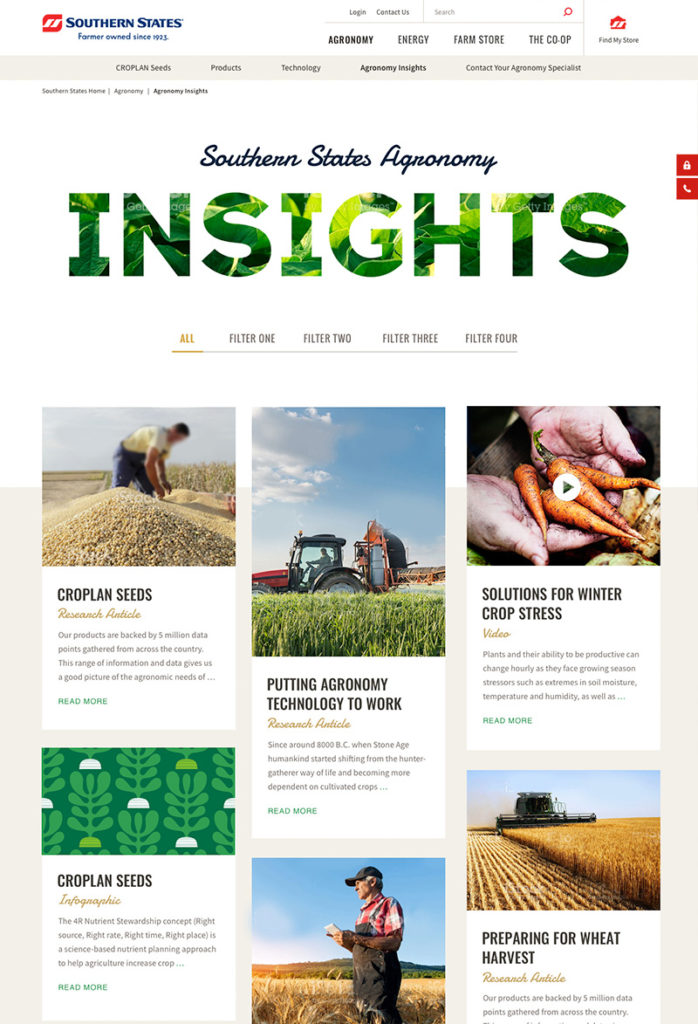
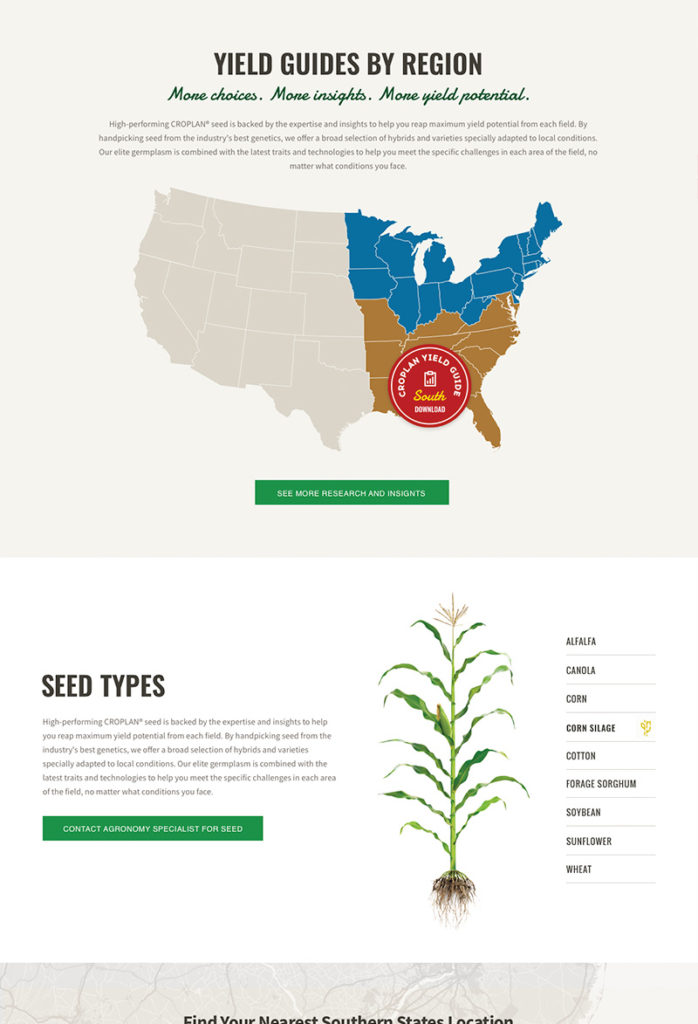
That system carried across everything. The website shifted from a static catalog to something more usable, with clearer pathways, regional insights, and content that helped customers make decisions in the moment. Email, campaigns, in-store materials—everything reinforced the same structure so the experience didn’t reset depending on where you showed up.
Not a rebrand that looks good in isolation.
One that actually holds together.
The result was a brand that finally matched the pace of its customers. Engagement increased, digital performance improved, but more importantly the perception shifted—from a legacy co-op trying to keep up to one that feels current, capable, and still grounded in what made people trust it in the first place.
Because the goal wasn’t to move on from their history.
It was to prove it could keep up with it.