

Marketing to people who hate marketing
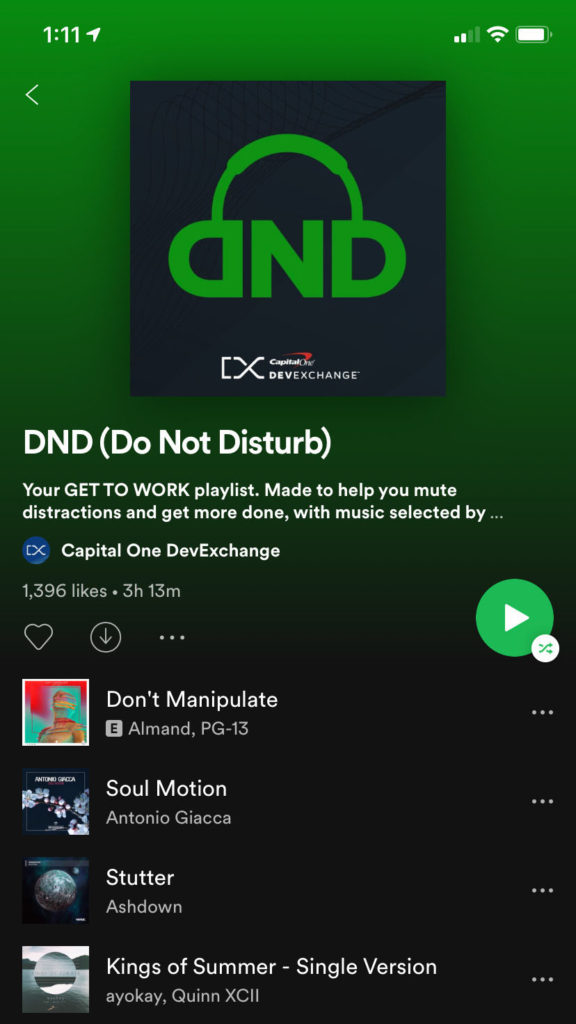
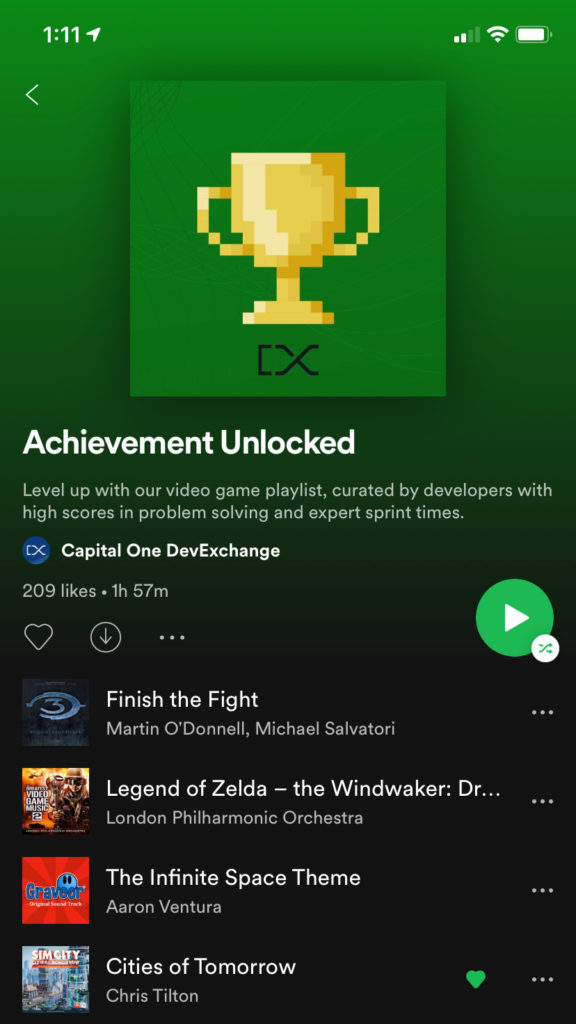
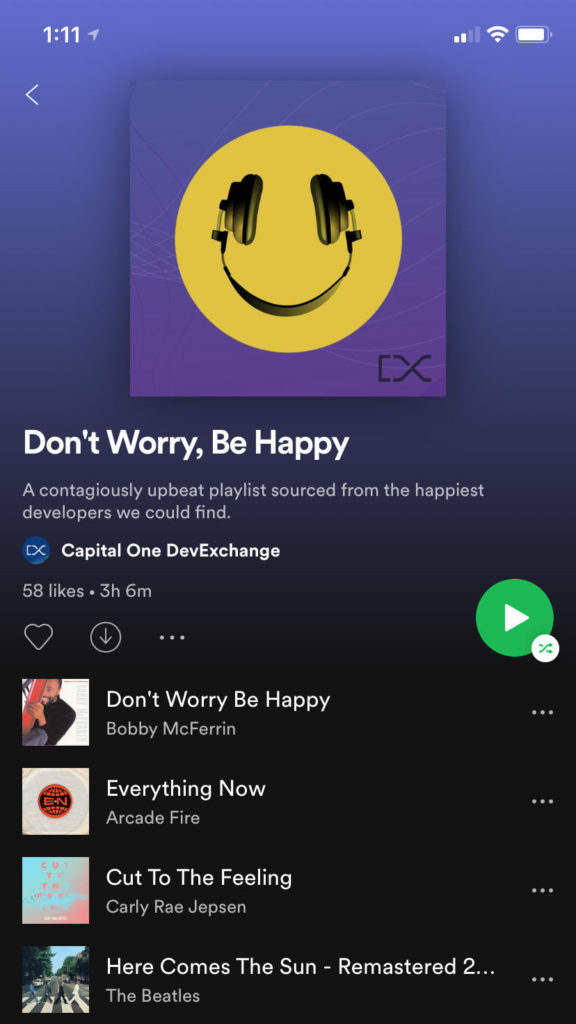
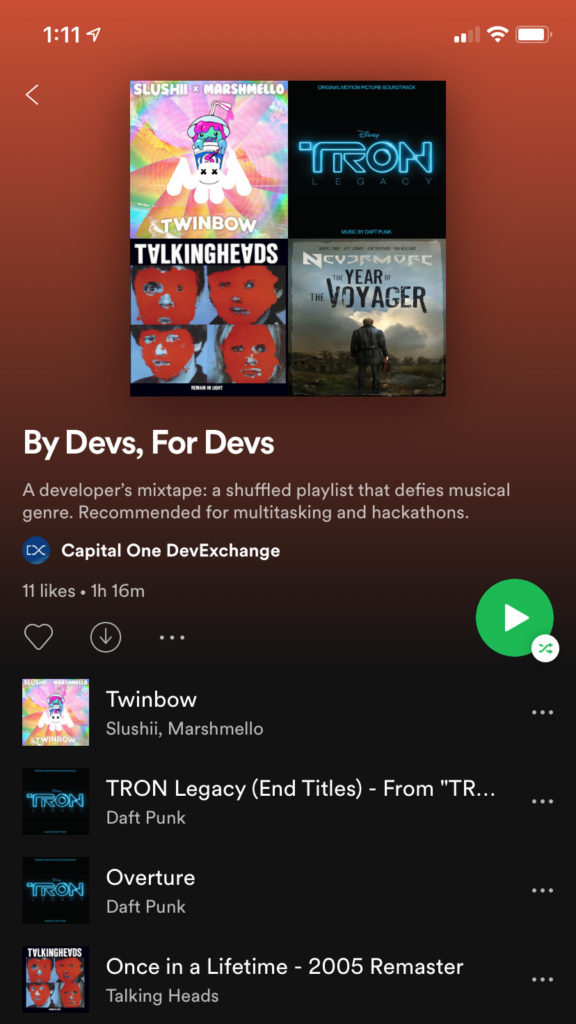
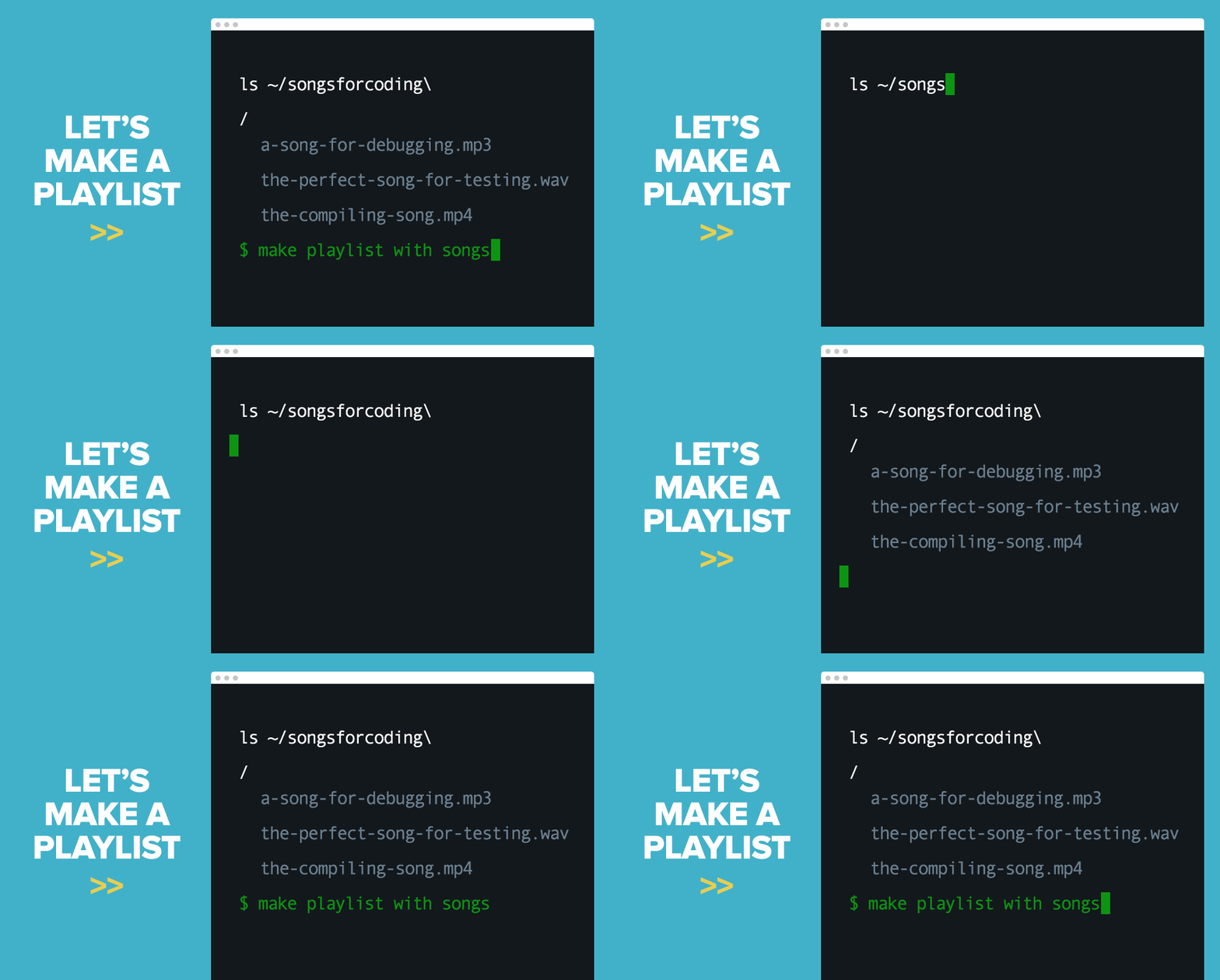
I led the concept and design direction for a series of “helpful playlists” on Spotify, designed around how developers actually work. Not generic music drops, but tools for specific moments. Deep focus, debugging late at night, pushing through repetitive tasks, stepping away when you’ve hit a wall. The kind of thing you reach for without thinking.
But the playlists weren’t the point. They were the entry point.
I pushed the team to treat them less like content and more like a system that connects behavior to the product. Each playlist mapped to a real working state, and tied back to DevExchange as a place to go deeper when you were already in that mindset. Not interrupting the flow, but extending it.
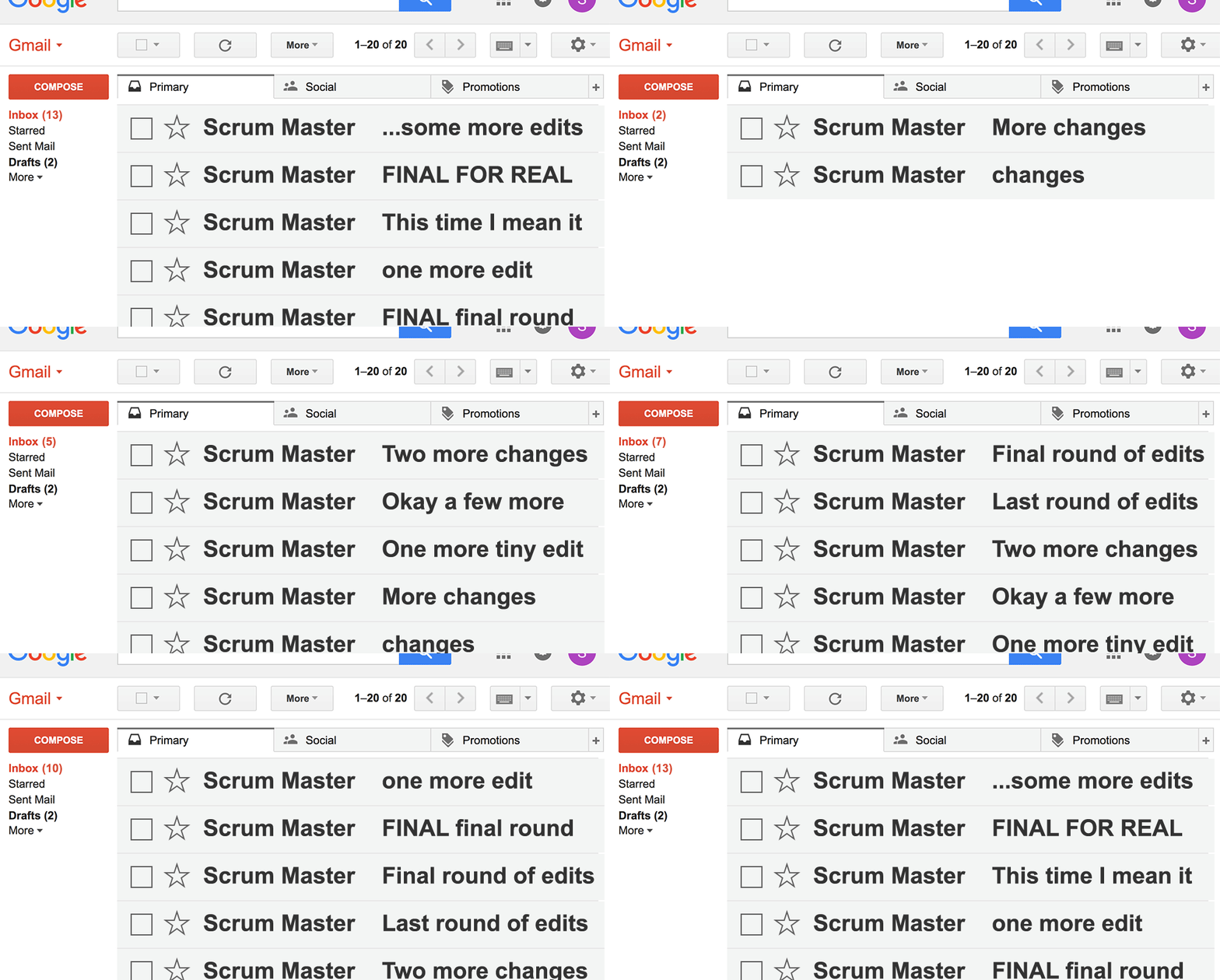
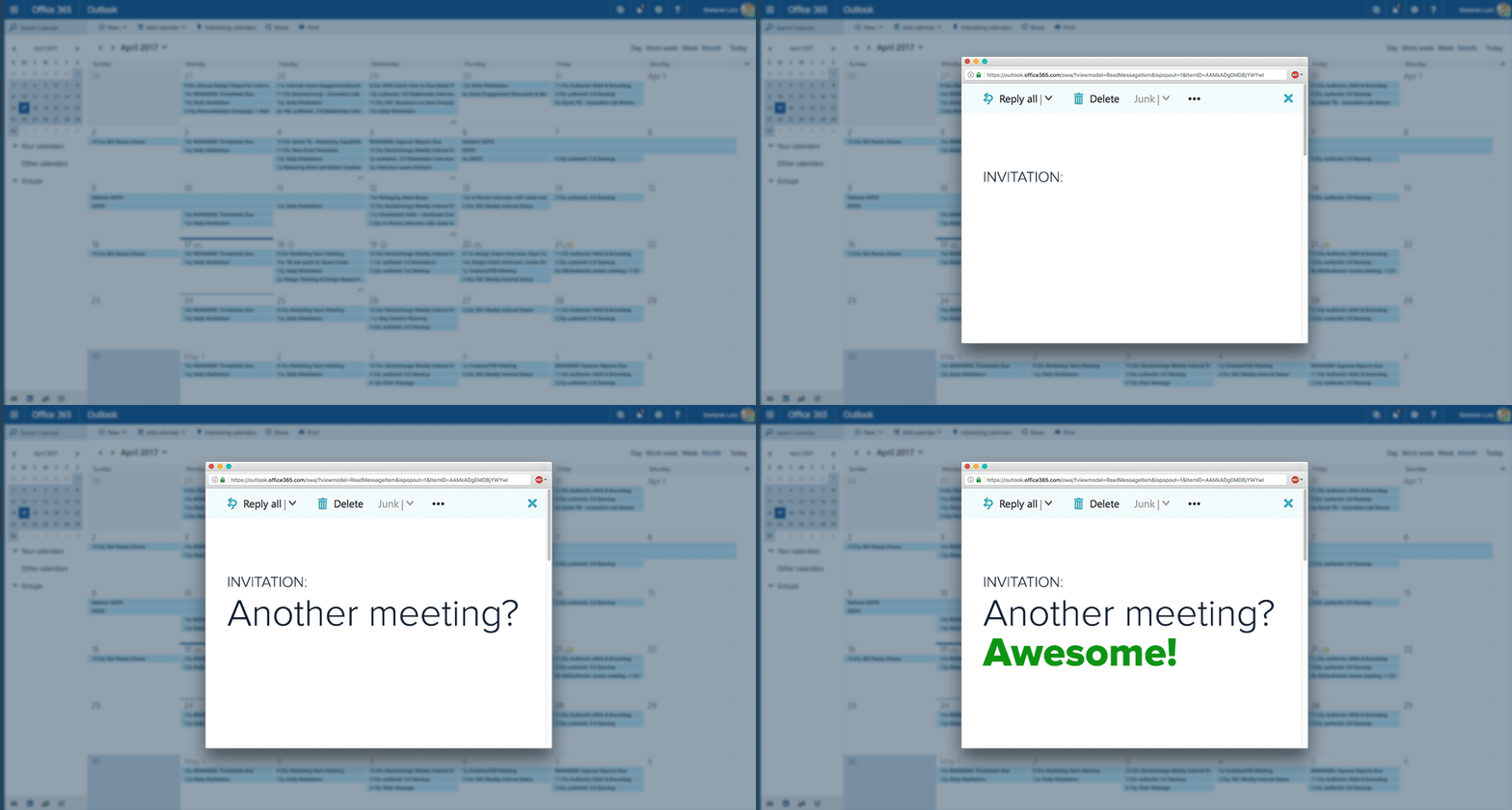
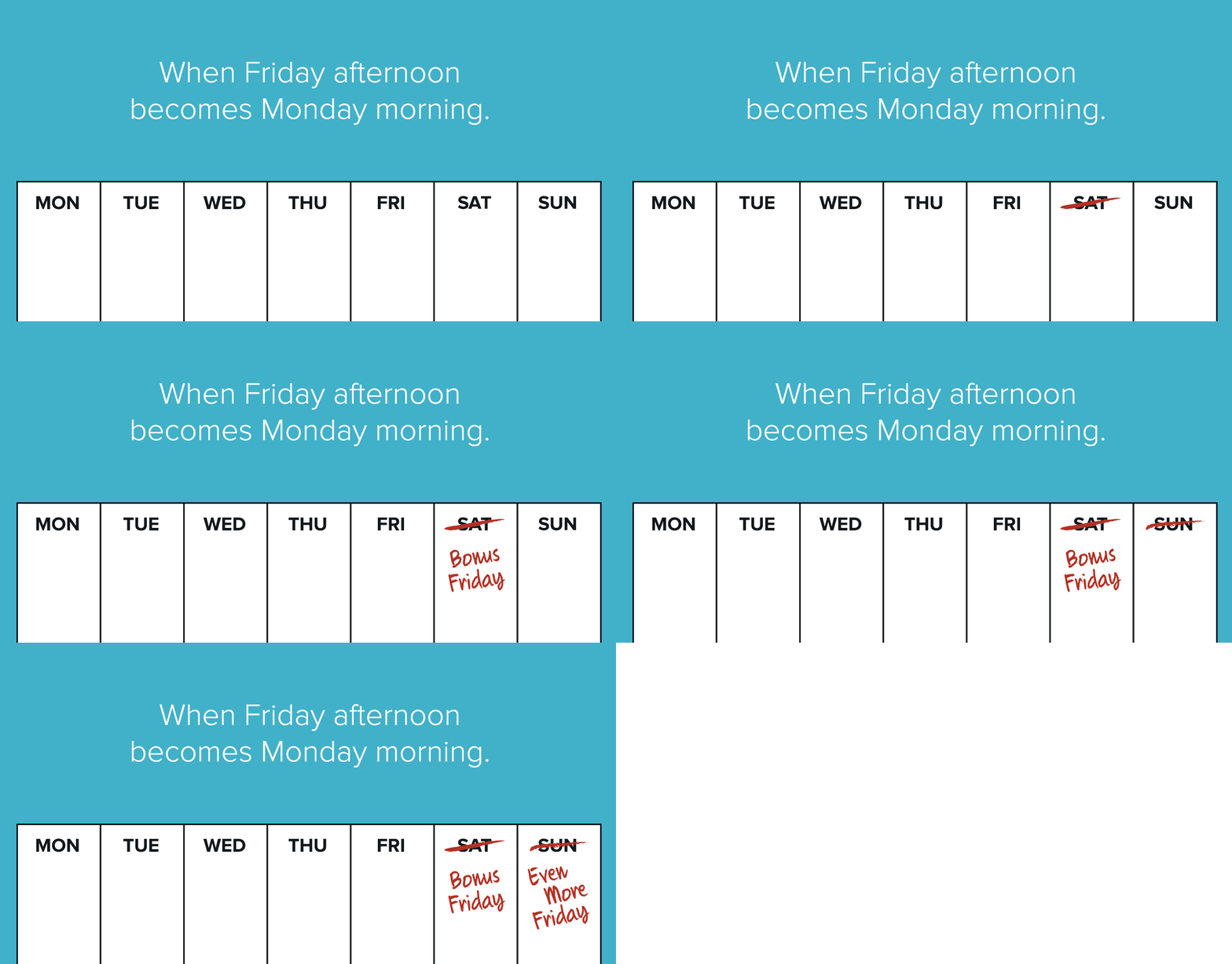
That thinking carried into the marketing. The tone, naming, and rollout leaned into utility and self-awareness instead of polish. We placed the playlists in environments developers already trust and use, and built supporting content that made them easy to share without feeling like a campaign. The goal wasn’t to drive clicks. It was to build enough credibility that the next interaction with DevExchange didn’t feel like a cold start.
The result was a shift in how Capital One showed up. Not as a company trying to convince developers it was a tech brand, but as one that understood how they actually work. The playlists were shared organically across the community, driving traffic and engagement with DevExchange and building early trust in a space that’s hard to break into. More importantly, it proved a broader point. If you want to reach an audience that resists marketing, the answer isn’t better marketing. It’s something they’d choose to use anyway.