
A behind-the-seams look at a website redesign
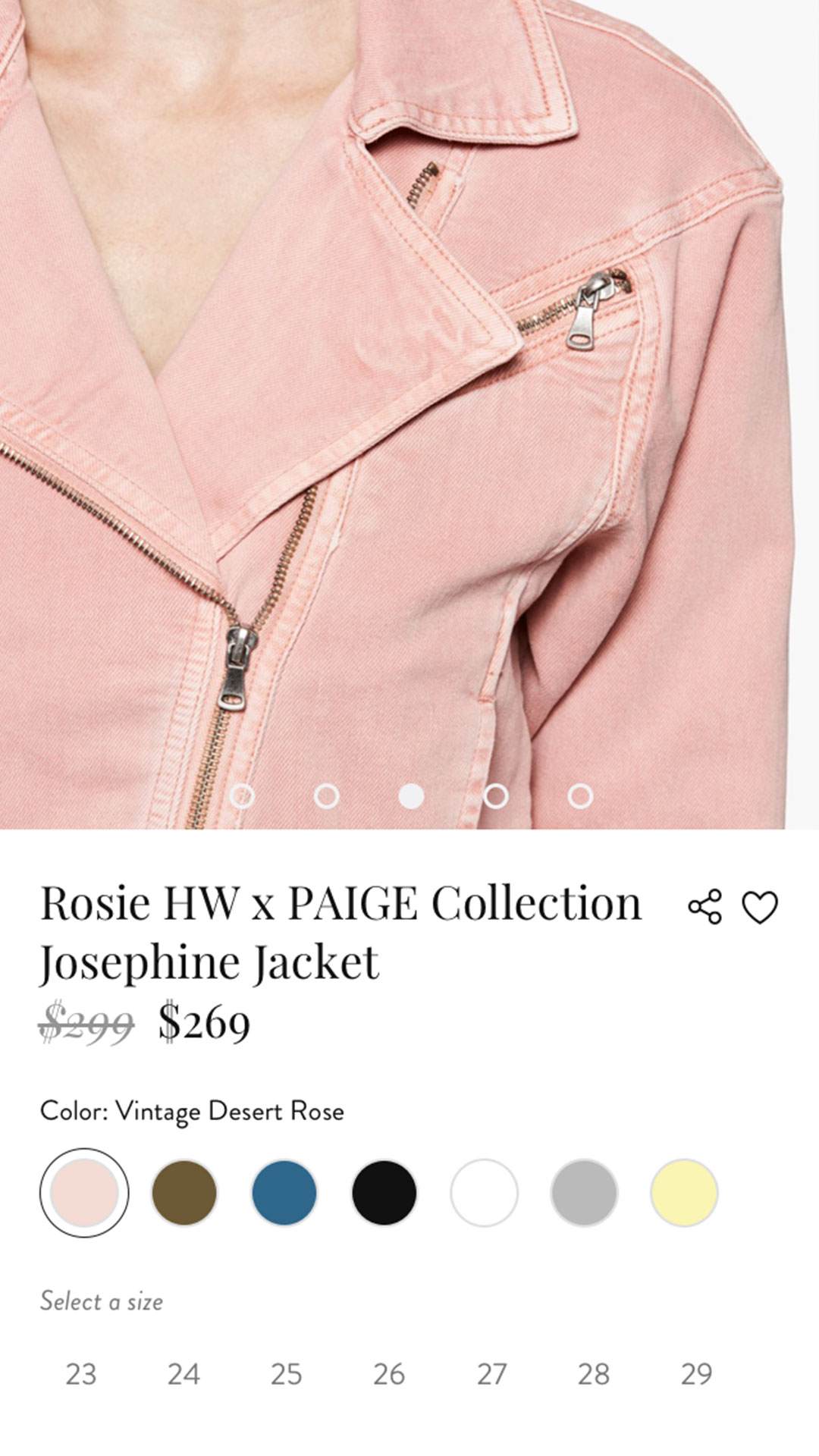
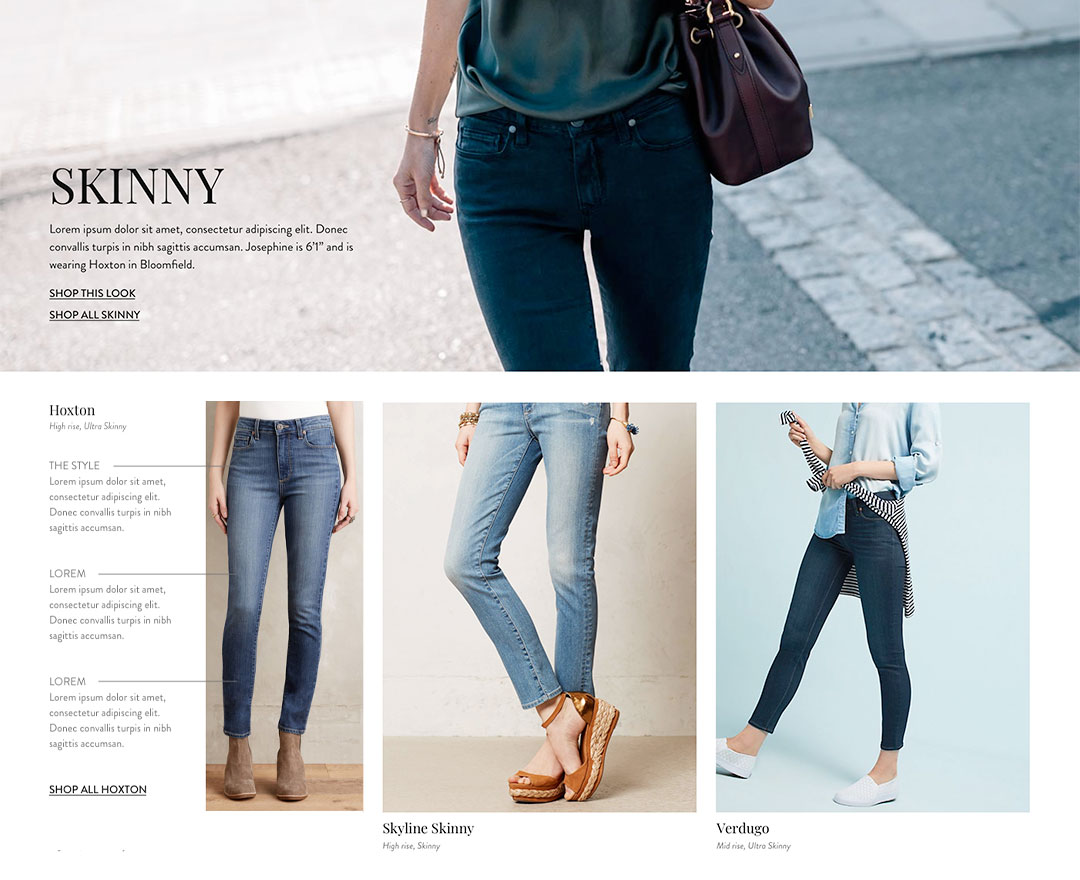
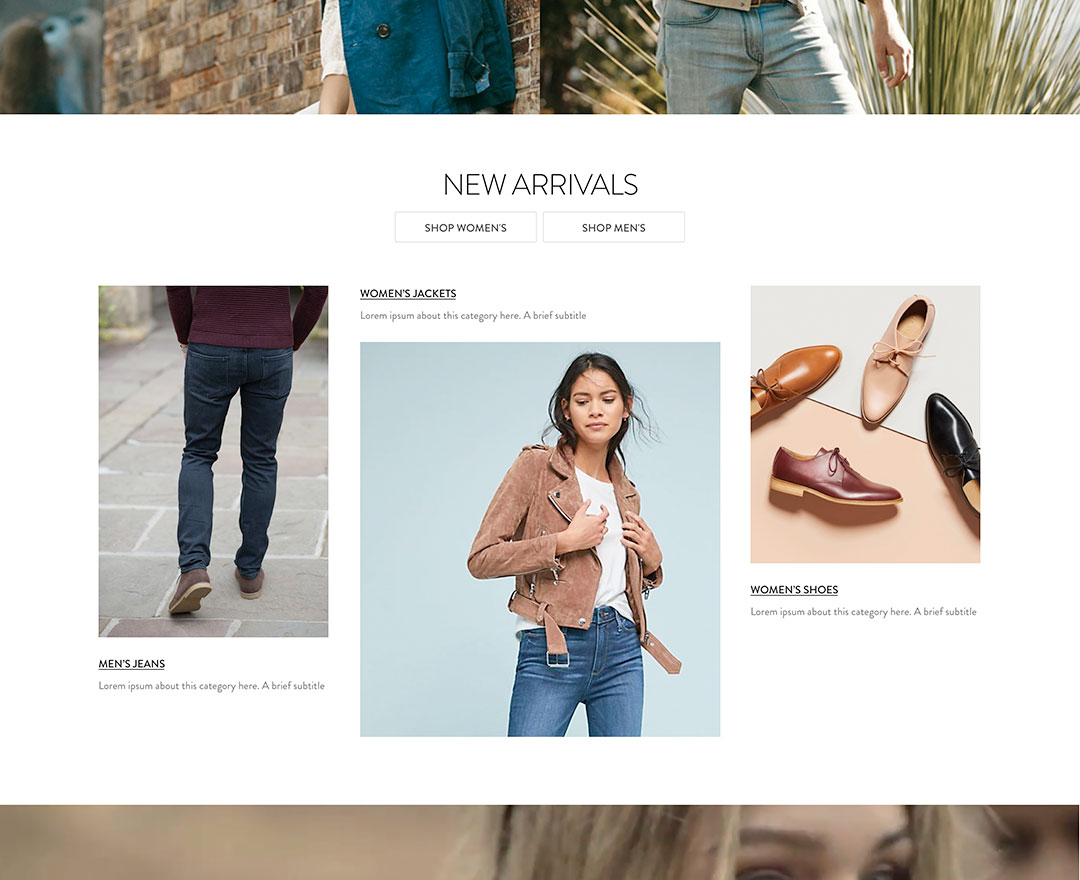
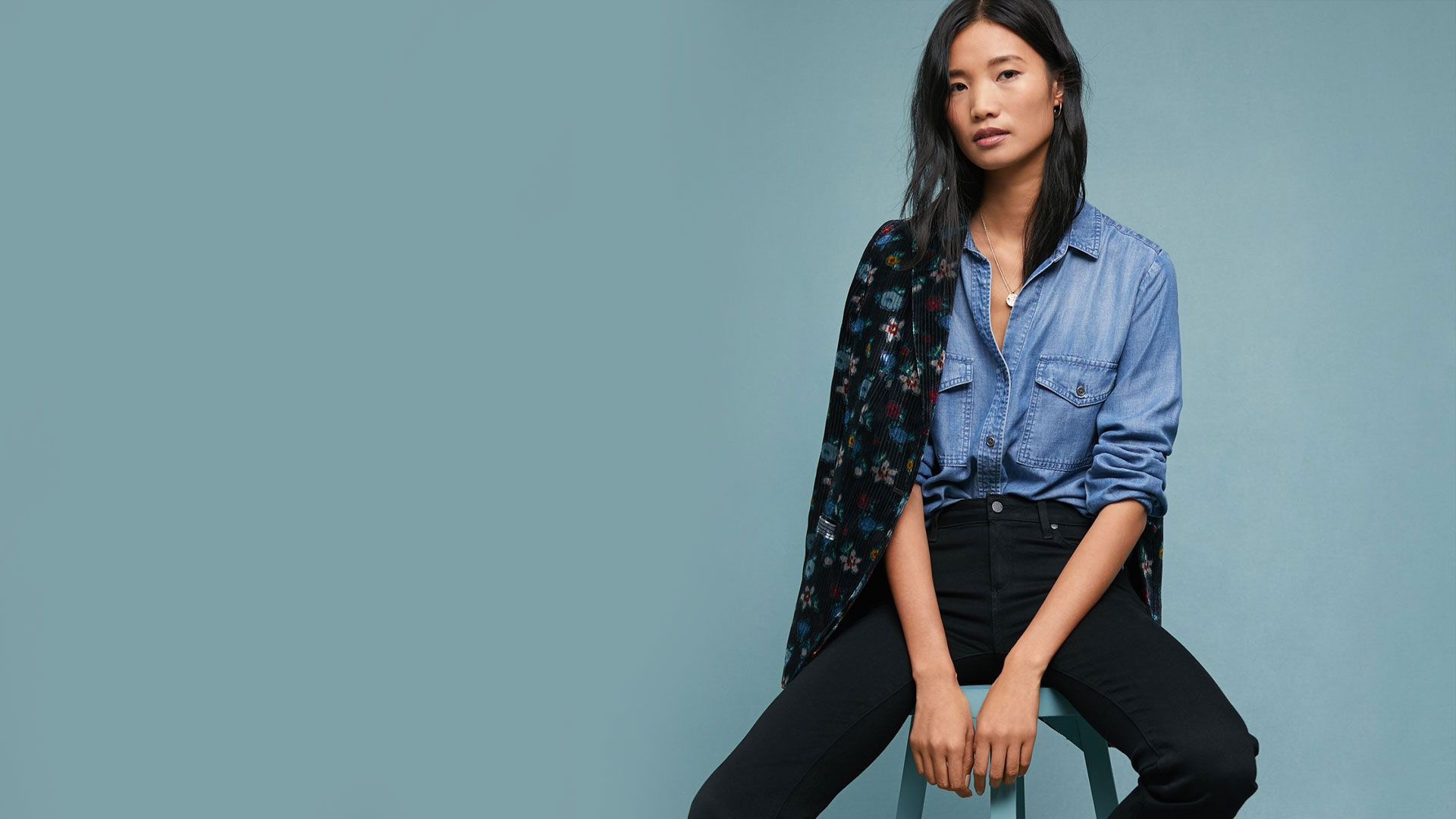
I led the design direction around that shift. Instead of treating editorial as something extra, we made it part of how the site works. Outfits, styling context, complete looks. Not as inspiration, but as direction. You’re not just seeing a product, you’re seeing what to do with it.
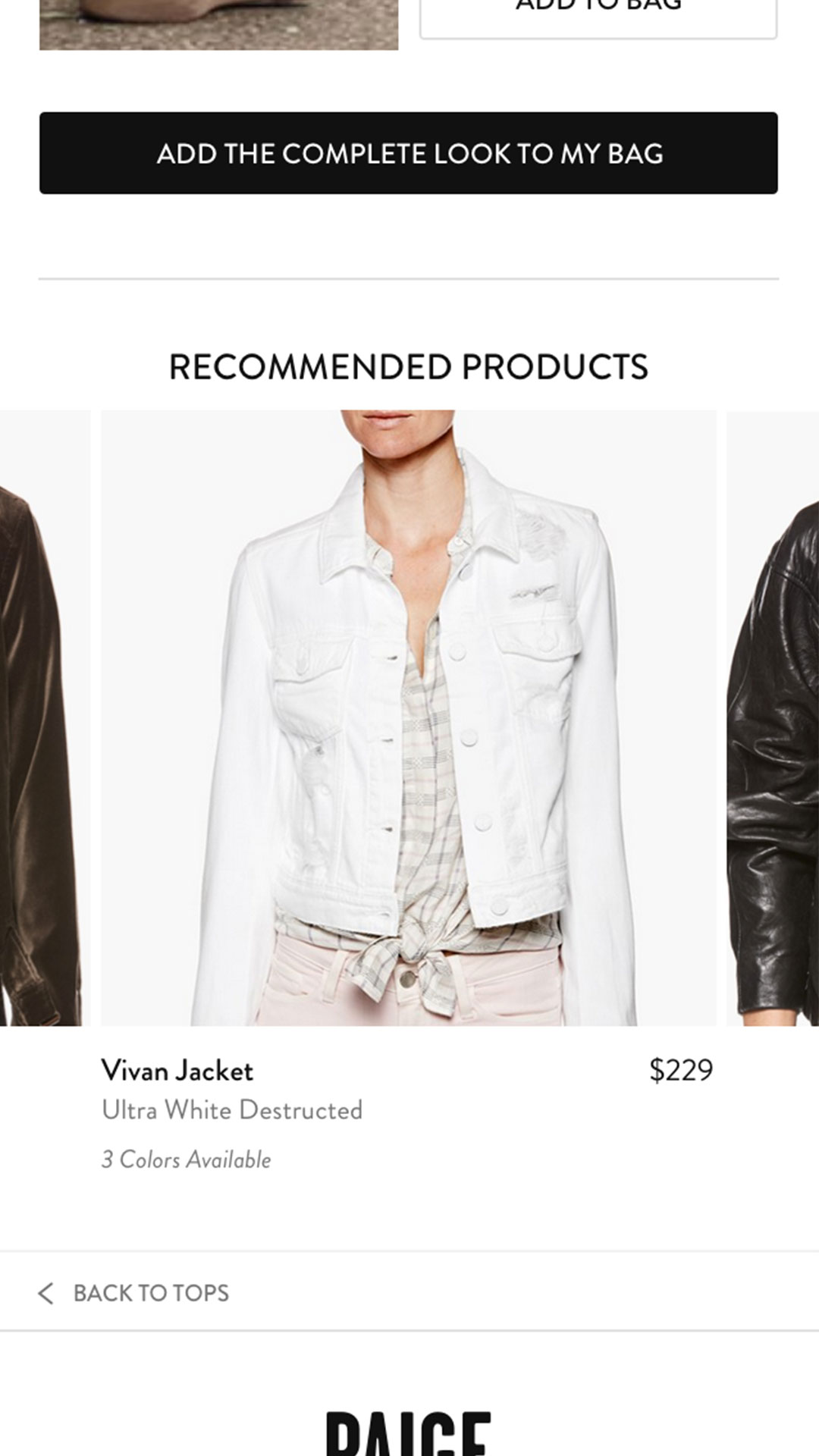
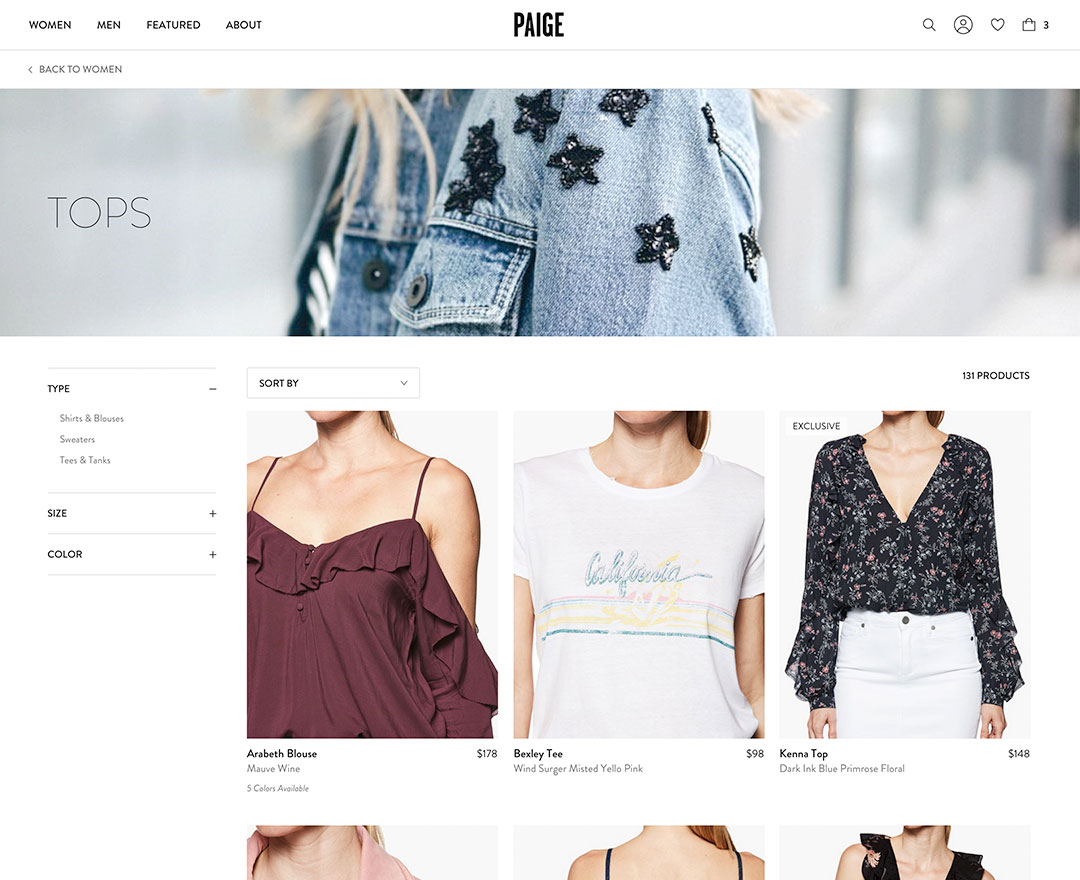
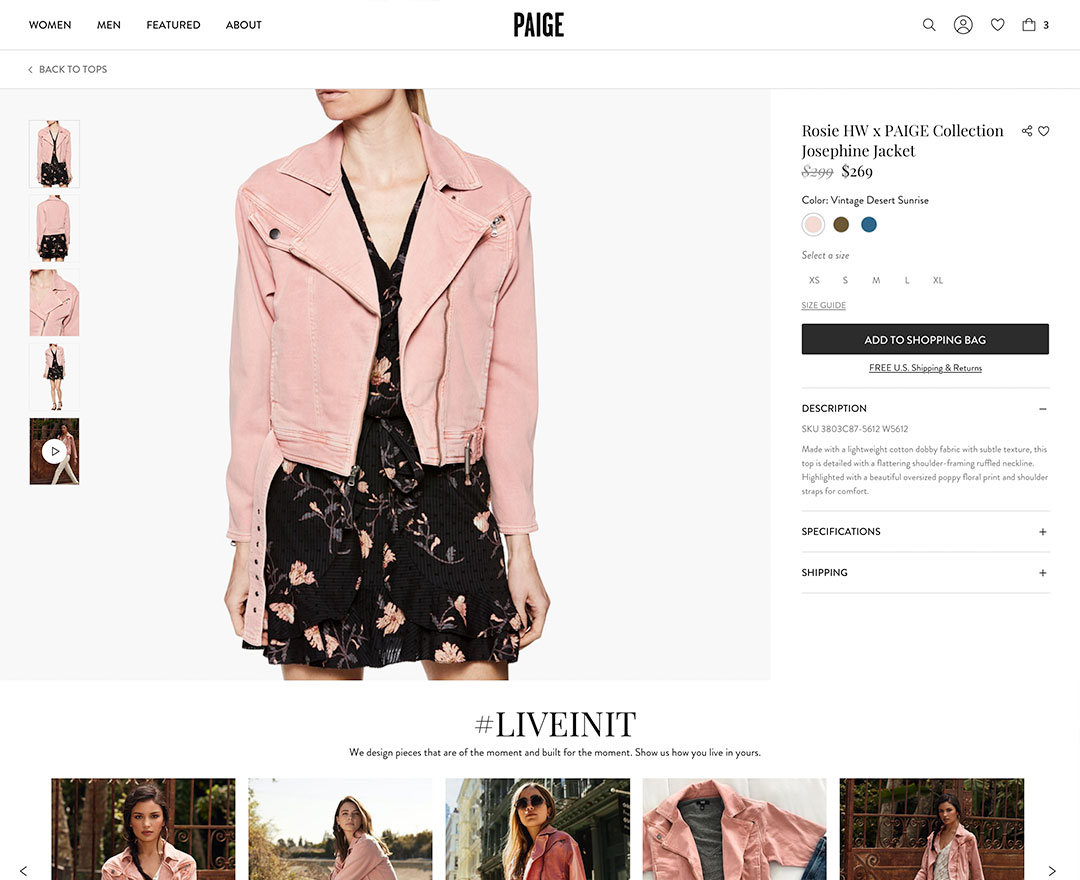
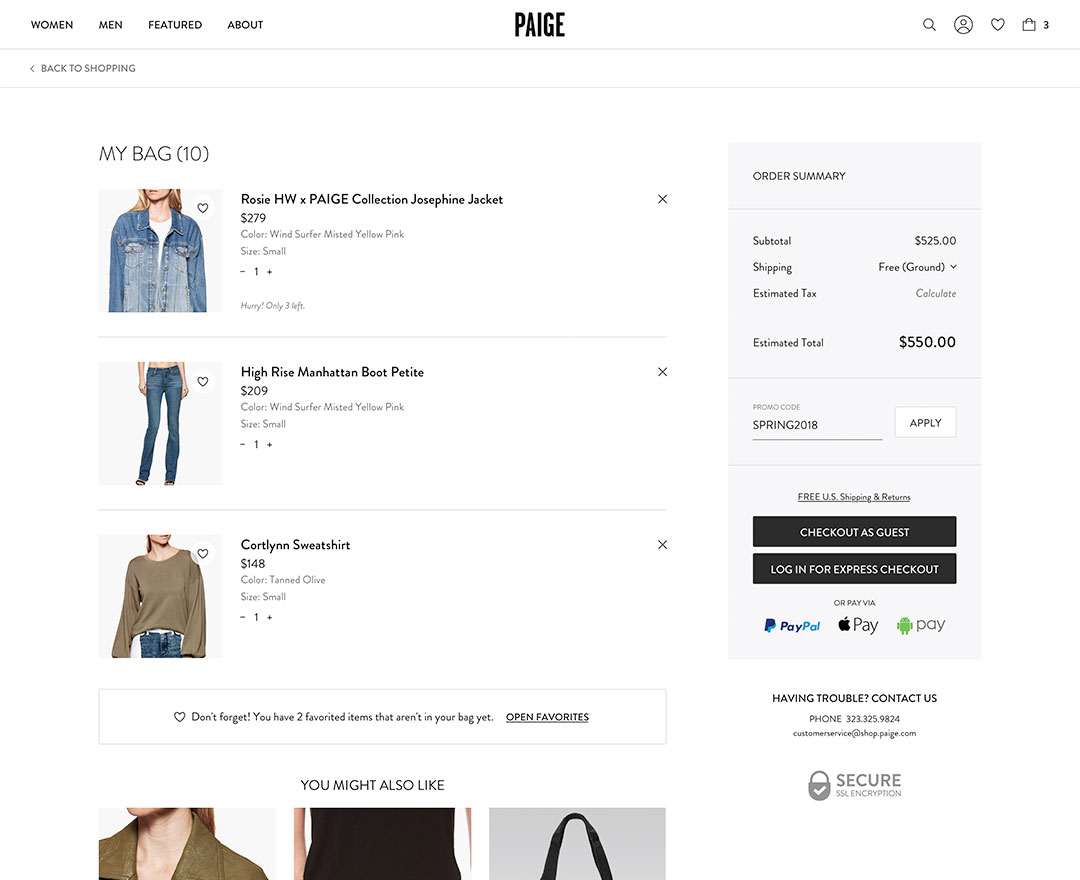
We also changed how products relate to each other. The old experience isolated everything. One item at a time, hoping you’d figure out the rest. We made those relationships explicit. What goes with this. How it’s worn. What completes it. The same way someone would help you in-store.
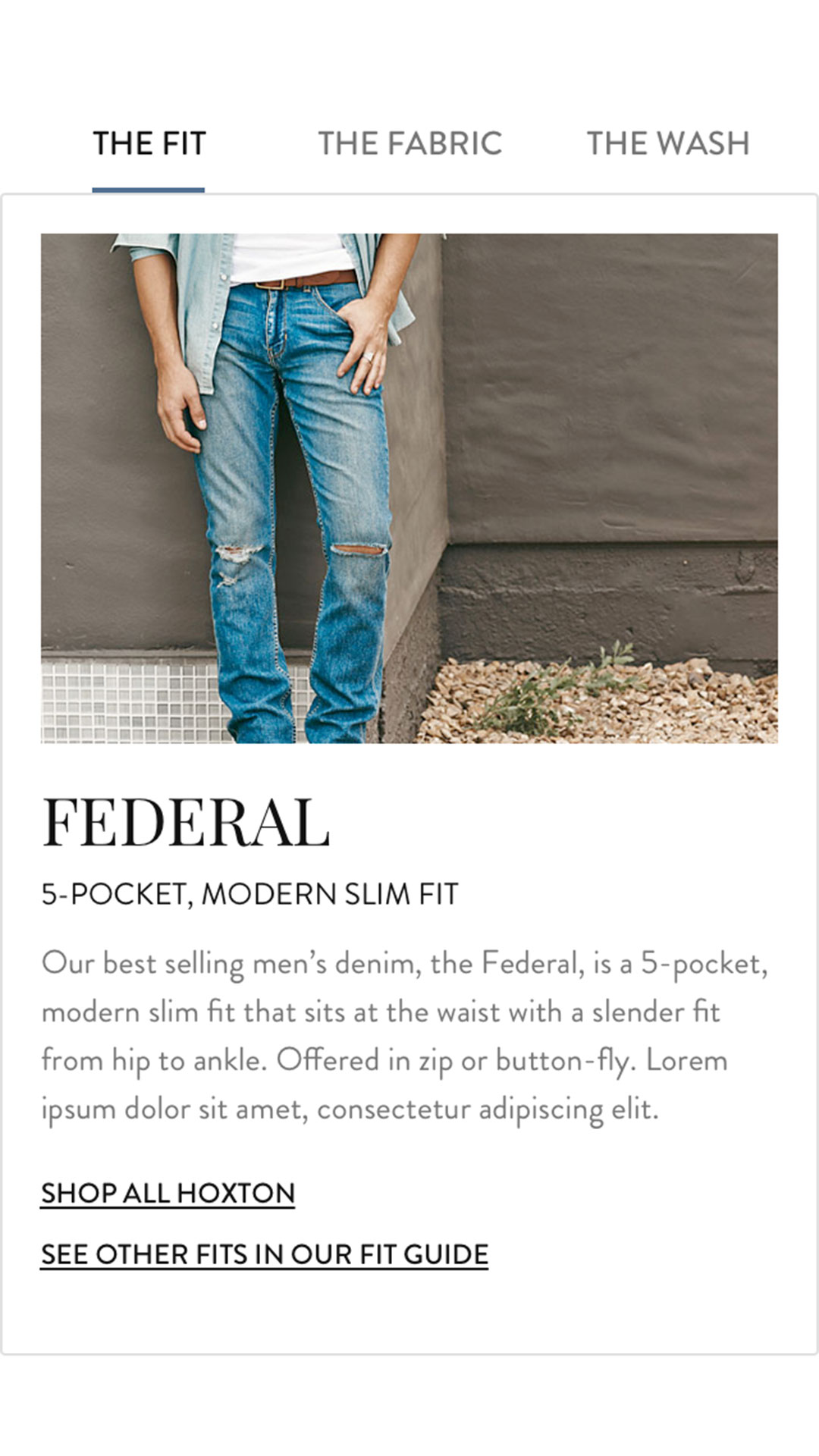
Fit was another place the brand fell apart. In-store, someone helps you get it right. Online, you were guessing. So we focused on making fit easier to understand and easier to act on. Clearer signals. Better context. Fewer moments where you second-guess and bail. The goal wasn’t more information. It was removing hesitation.
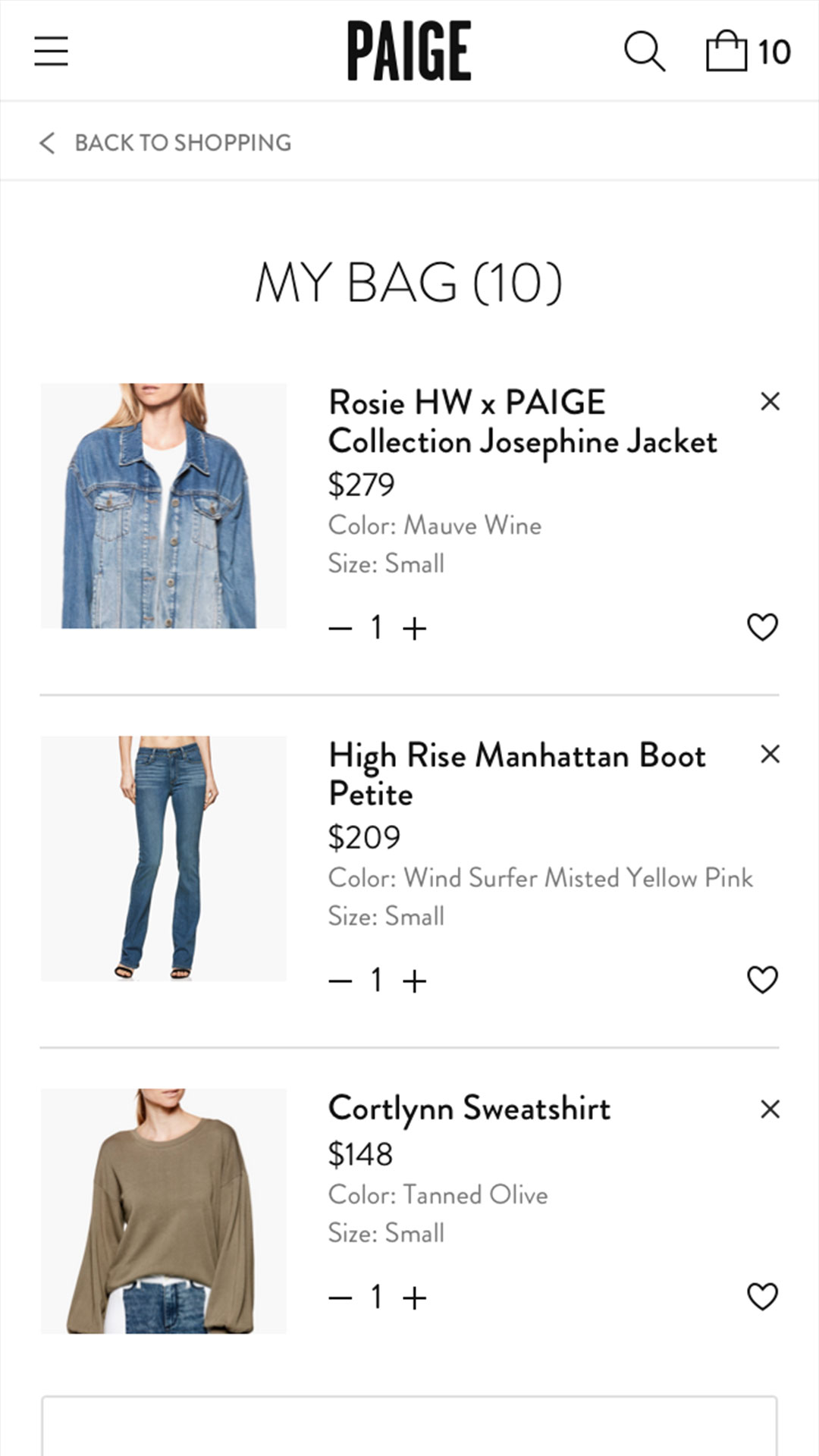
Mobile reinforced all of this. Most people aren’t carefully evaluating products. They’re scrolling, half-paying-attention, deciding if something feels right. So we simplified paths, surfaced the right context earlier, and made it easier to move forward without overthinking it.
The result is a site that finally lines up with the rest of the brand. Not just visually, but in how it behaves. It doesn’t just show you what PAIGE sells. It helps you figure out how to wear it. That shift showed up in stronger engagement with editorial content, higher outfit attachment, and more confident purchasing overall.